
Planning
Where the Photo Booth Belongs on Your Timeline
Two identical booths at two identical events can produce wildly different session counts. Almost always, the difference is timing and placement. Here is the formula our attendants use.
Mar 30, 2026 · 5 min read
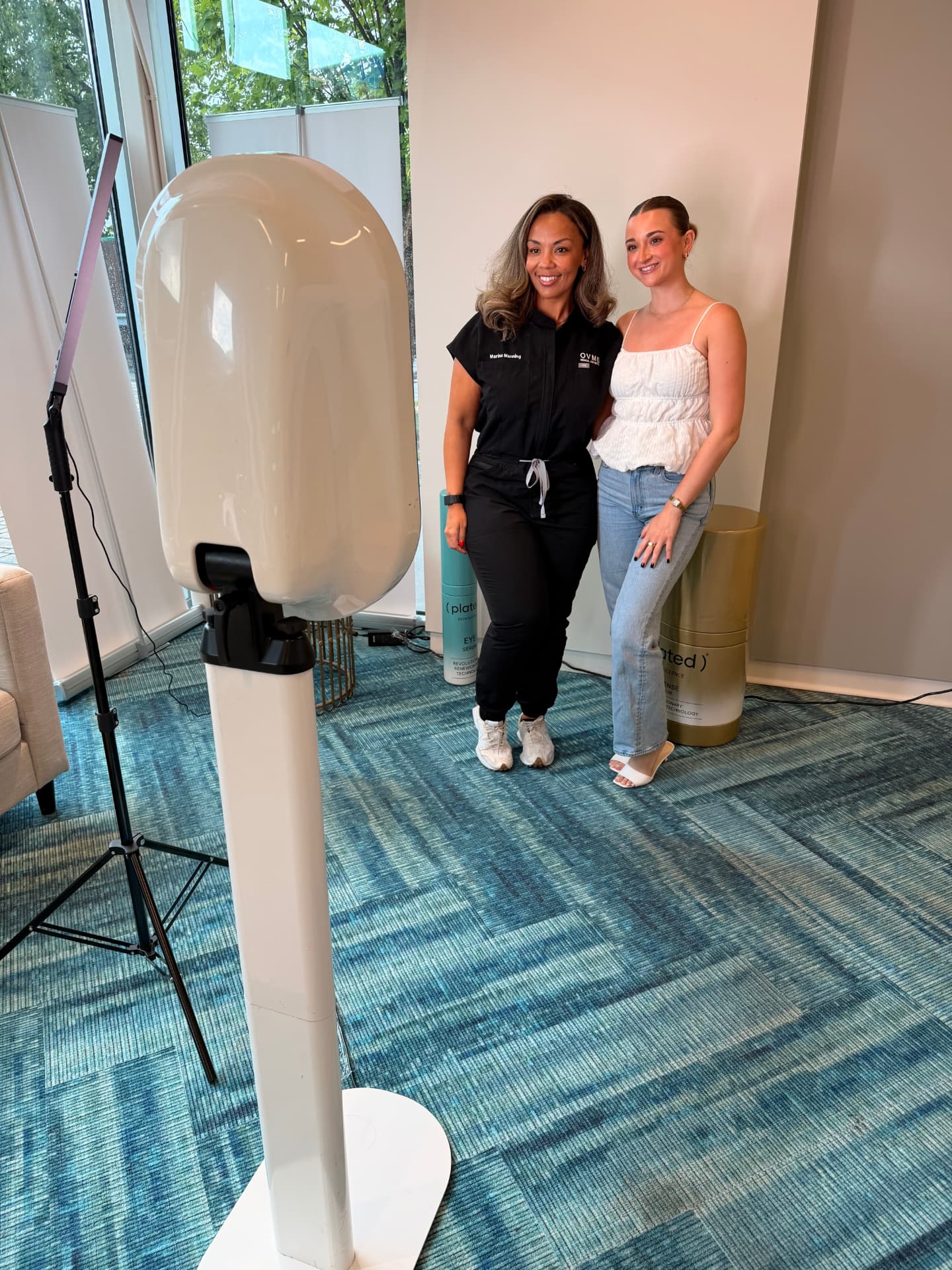
The booth follows the energy, it does not create it
A photo booth amplifies a room that is already warm. It cannot rescue a room that is still seated and quiet. That single idea explains most of what follows: open the booth after the crowd has loosened up, not before, and place it where the energy already is.
Weddings: open after dinner service
Our four-hour wedding collections work best opening as plates clear and the first dance sets have started. Guests are fed, the bar has been open, and the dance floor is filling. Opening during cocktail hour instead spreads sessions thin across a period when people are greeting each other, and it burns an hour of your rental.
If you want cocktail-hour coverage too, add an hour rather than shifting the block. Idle time at $65 per hour lets us set up early and stay covered so no guest watches a build-out.
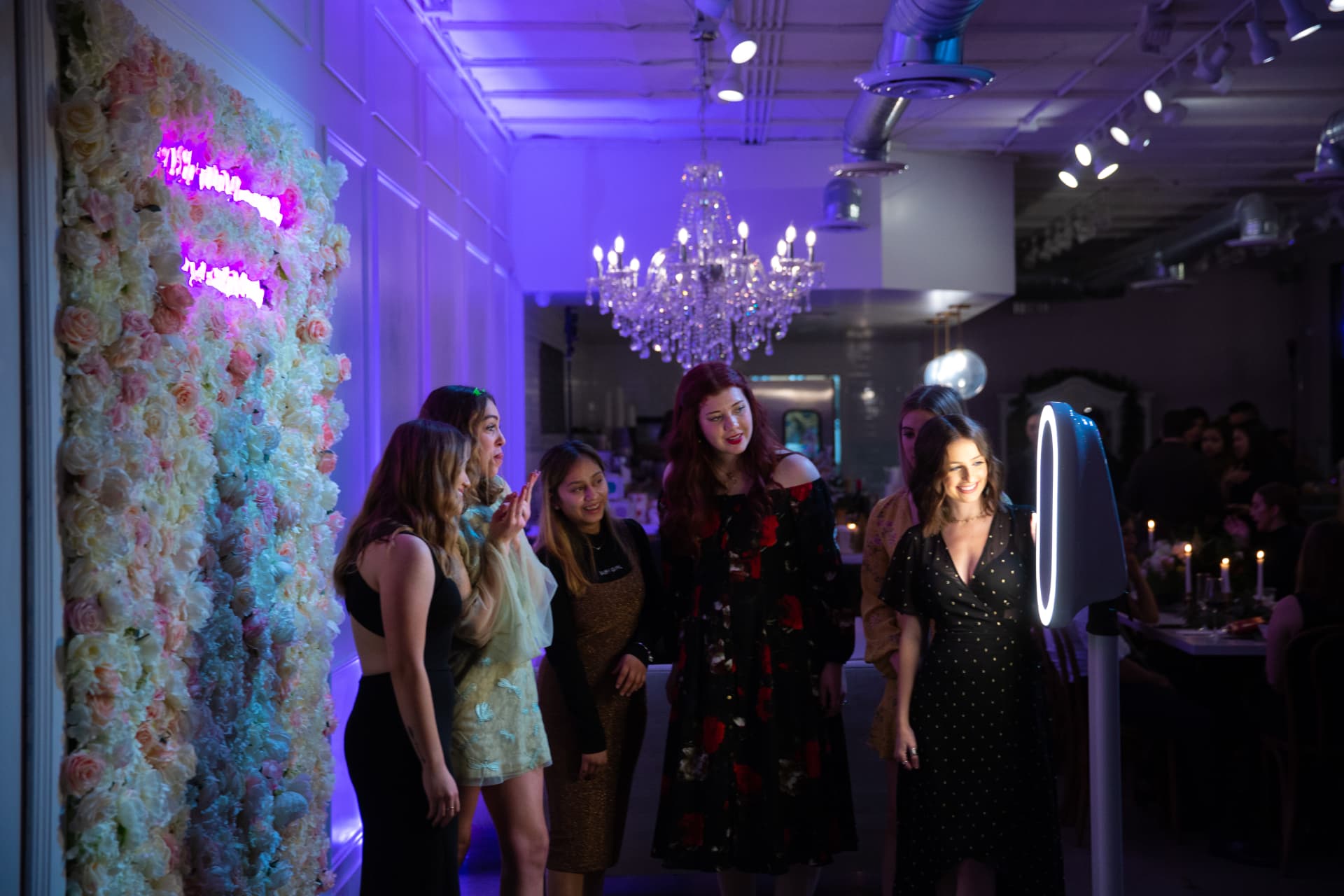
Corporate: front-load, then anchor
Corporate events invert the rule. Attendees arrive on time, have a defined agenda, and leave in a wave. Open the booth at doors, run it hard through the first networking block, and keep it live through the first half of any reception. A booth that opens at hour three of a four-hour conference reception captures a fraction of the room.
Birthdays and social events: after the toast
For milestone parties, the moment right after the toast or cake is the peak. Everyone is standing, everyone is in one place, and everyone is already looking in the same direction. Have your attendant open with a group shot at that moment and the line takes care of itself for the next hour.
Placement rules that never change
- In the main room. Never a side hallway, never a separate lounge.
- Within sight of the dance floor or the bar, ideally both.
- Away from the DJ speakers so guests can hear the attendant.
- A 10x10 foot footprint with an outlet within 25 feet.
- Not directly next to the exit, where photos compete with people leaving.
Build in the moments you actually want
The best photos of the night rarely happen by accident. Give your attendant a short list: the wedding party, the college friends, the department heads, the grandparents. We will find those groups and pull them in. Without a list, we photograph whoever walks up, which is fine but leaves the shots you actually wanted to chance.
Signal that the booth exists
One announcement from the DJ or MC roughly fifteen minutes after the booth opens reliably doubles the first hour. A visible sign with your QR code near the bar does the rest. Guests cannot use a booth they have not noticed, and in a dim reception room it is easier to miss than you would expect.
A simple template
Set up 60 to 90 minutes before doors. Open the booth at the transition point for your event type. Announce it fifteen minutes later. Run a planned group shot at the peak. Close in the last thirty minutes with a final call so late arrivals still get something. Follow that sequence and you will use every hour you paid for — which is the entire point of getting the timeline right.
Planning an event right now?
Check your date, build your package and lock it in — it takes about two minutes.